

The Great Laundry Hand-Off...
Black Business Review – Book of the Year Awards 2025...
How to Read Financial Statements Without an MBA (Income, Cash Flow, Balance Sheet)...
New Faith-Based Book Calls Believers to Activate Supernatural Power and Unshakable Trust in God...
Author Cliffton Green Releases Bold New Memoir: Straight, No Chaser...
Sweet Scents, Bold Vision: Doms Dessert Candles Turns Dessert Into Décor...
The Ghost in the Barrel: How Pierre Neptune Was Erased from the Legacy of Hennessy...
Alexis Coates Drops Game-Changing Book: 12 Great Business Principles — A Must-Read for Aspiring Entrepreneurs...
Impact of Trump's Tariffs and Trade Wars on Global Shipping and Supply Chains...
Laundrifi Launches in Baltimore, MD, Offering Modern Laundry Solutions...

Sidebar

Magazine menu

  • HOME
  • List All Categories
  • World
  • Business
  • Politics
    • Education
  • Entertainment
  • Events
  • More
    • Art
    • About Us
  • Book of the Year
Black Business Review Black Business Review Black Business Review

Victoria Secret 2014

How you can watch the Victoria’s Secret Fashion Show

iPhone 6 and iPhone 6 Plus

Year in review: Young blood aids old brains

Social at Scale

Google’s Dart Programming Language Is Coming To The Server

Biometrics: redefining privacy

US Solar Growth Continues: 1.3 Gigawatts of PV Installed in Q3
16
Fri, Jan
  • HOME
  • World

    World Categories

    • New York

    • Baltimore

    • Washington DC

    • Houston

    • Atlanta

    • Los Angeles

    • Chicago

    Latest World News

    • Founder Fawn Weaver’s Uncle Nearest

      World
      Details
      Oct 31 2024

      Black-Owned Whiskey Brand Uncle Nearest Reportedly On The Brink Of Reaching Unicorn Status

    • Dr. Nicole Odom Hardnett of Focus Point Behavioral Health

      Houston
      Details
      Mar 28 2023

      Dr. Nicole Odom-Hardnett Launches A Multi-Million-Dollar Addiction Behavioral Health Business

    • Jamie Foxx

      Los Angeles
      Details
      May 08 2023

      Jamie Foxx breaks silence on hospitalization

    • Commanders owner Magic Johnson

      Washington DC
      Details
      Jul 24 2023

      New Commanders owner Magic Johnson talks about setting an example for the Black community

    • Magic” Johnson Owner of the LA Dodgers

      World
      Details
      Oct 31 2024

      "Magic Johnson: The First Black Owner to Win a World Series in Major League Baseball"

    • Chip Dizard Studios

      Baltimore
      Details
      Aug 08 2024

      10 Essential Photos You Need for Your Book Launch

    • Power has its Price

      New York
      Details
      Apr 06 2023

      10 of the Most Successful Black Entrepreneurs

    • Get Help in Your Business Today

      World
      Details
      Jun 23 2022

      5 Benefits of Hiring a Business Consultant

    • 50 Cent says that he’s purchased a 985,000-square-foot studio

      World
      Details
      Mar 09 2025

      50 Cent Buys 985,000 Square Foot Studio For Film & TV Projects

  • Business

    Business Categories

    • People

    • Science

    Latest Business News

    • Lamar Jackson, the quarterback for the Baltimore Ravens,

      Business
      Details
      Feb 21 2023

      "The value of Lamar Jackson" Why the Ravens Cant Afford Not to $Pay$ Their Star Quarterback

    • Ineffective Marketing Strategies

      Business
      Details
      May 25 2023

      10 Crucial Reasons Why Businesses Crash: Safeguarding Success through Avoidance

    • Entrepreneurship is in many ways, a mirror to life

      Business
      Details
      Apr 07 2023

      5 Inspiring Stories of Black Entrepreneurs Who Started from Scratch

    • Hang passengers relevant ending obliged

      Hang passengers relevant ending obliged

      Chemistry
      Details
      Mar 25 2023

      Ancient Egyptian blue glass beads reached Scandinavia

    • People
      Details
      Mar 26 2023

      Barbara Gardner Proctor Became a Role Model for African-American Women

    • Business
      Details
      Aug 31 2020

      Coaching Great John Thompson dead at 78

    • Chandler coverage practices wonderful

      Chandler coverage practices wonderful

      Mathematics
      Details
      Mar 25 2023

      Constructed everywhere prove chamber advanced mutual

    • Chandler coverage practices wonderful

      Chandler coverage practices wonderful

      Biochemistry
      Details
      Mar 25 2023

      Constructed everywhere prove chamber advanced mutual

    • Hang passengers relevant ending obliged

      Hang passengers relevant ending obliged

      Engineering
      Details
      Mar 25 2023

      CrYear in review: Science faces Ebola epidemic

  • Politics

    Latest Politics News

    • Americans have had many ages of identity politics

      Politics
      Details
      Apr 04 2023

      Americans have had many ages of identity politics

    • Mayor Brandon Scott's Vision

      Politics
      Details
      Apr 04 2023

      Building Baltimore: Mayor Brandon Scott's Vision for a Thriving Regional Business Hub

    • Politics
      Details
      Apr 02 2023

      Stacey Abrams named Howard’s 1st race, Black politics chair

  • Entertainment

    Entertainment Categories

    • Movies

    • Sports

    Latest Entertainment News

    • Football
      Details
      Mar 25 2023

      Tom Brady is the greatest football player to ever walk planet earth

    • Poets eve pace partisan

      Poets eve pace partisan

      Entertainment
      Details
      Mar 25 2023

      $50 Earthquake Alarm Could Save Thousands Of Lives

    • Entertainment
      Details
      Oct 16 2018

      'After The Screaming Stops' films reunion of 1980s band Bros

    • Entertainment
      Details
      Oct 21 2018

      'Crocodile hunter' Steve Irwin's family launch new show

    • Entertainment
      Details
      Oct 01 2018

      'Mad Men' creator returns to identity theme with 'The Romanoffs'

    • Entertainment
      Details
      Oct 17 2018

      'Making a Murderer' resumes quest for justice with 'Part 2'

    • Shawn Corey Carter is an American rapper, songwriter,

      Entertainment
      Details
      Mar 10 2024

      7 Richest African Americans in the World

    • Crime affected citizen thoughts

      Crime affected citizen thoughts

      Entertainment
      Details
      Mar 25 2023

      Abused Maid Case Goes To Trial

    • Occasions wonderful probability los sentence

      Occasions wonderful probability los sentence

      Entertainment
      Details
      Mar 25 2023

      Accurate cast spoken renaissance

  • Events
  • More
    • Art
    • About Us
  • Book of the Year
  1. You are here:  
Lexus banner

The Great Laundry Hand-Off

Details
alex
World
16 January 2026

Why so many owners are selling laundromats — and why building a laundry empire right now makes sense

Executive summary (the blunt truth)

The laundromat industry is in a quiet transition era: thousands of stores are still owned by small, independent operators, and a big chunk of them are aging out, tired, or sitting on outdated equipment. At the same time, the business is getting “professionalized” by better operators and consolidators who bring systems, tech, capital, and brand discipline.

That collision creates a window: more sellers + more operational leverage = more deals where you can buy under-managed cash flow and upgrade it into a real asset.

The U.S. laundromat industry is still sizeable and steady—IBISWorld pegs revenue around $7.1B in 2025 with profitability recovering to ~13.9%. And the broader laundry world is seeing ongoing consolidation dynamics (bigger groups buying smaller independents), which is exactly what an “empire builder” wants to ride.


Part I — Why so many people are selling laundromats

Let’s not romanticize it. Most laundromats aren’t being sold because they’re “bad businesses.” They’re being sold because they’re unfinished businesses.

1) The owner is aging out, and the next generation isn’t taking over

A lot of laundromats are legacy shops: one owner, one family, one routine. When that owner hits burnout or retirement, the kids often don’t want the keys to a coin-op store that needs constant attention. That “succession gap” is a recurring theme across small businesses, and laundromats feel it hard because they’re operationally unglamorous (profitable… but not sexy).

2) CapEx reality: the machines eventually demand a sacrifice

This is the big one. When a store is running older equipment, the owner is basically living on borrowed time. Eventually you hit:

  • rising repair frequency

  • higher water/utility inefficiency

  • customer churn (“this dryer is trash”)

  • lost revenue from downtime

Many owners reach the moment where they either reinvest heavily or cash out. A lot choose cash out.

3) The industry is modernizing faster than the “old school” operator wants to adapt

The laundromat world is shifting: payment tech, monitoring, energy efficiency expectations, better customer experience, better design. PlanetLaundry describes the industry’s transformation being driven by innovation and changing consumer preferences.
If you’re an old-school owner who likes coins, handwritten logs, and “I’ll fix it when I get there”… the new era feels like homework.

4) Consolidation pressure is real

Consolidation isn’t just for tech startups. Even in adjacent laundry segments, industry trade coverage notes ongoing consolidation of smaller players by larger regional groups.
When better-capitalized operators move into a market, independents feel squeezed—especially stores that haven’t upgraded.

5) The real estate and the business are getting “uncoupled” in owners’ minds

For owners who also own the building: sometimes the property value becomes the main event. They’d rather sell (or refinance) than keep operating a business that requires constant operational attention.


Part II — Why it makes sense to build a laundry empire now

Now here’s where I put on my “Laundryman” hat.

1) Laundry is non-discretionary (people don’t stop washing clothes)

The Consumer Laundry Association (CLA) frames coin laundries as steady cash-flow businesses commonly operating on long-term leases.
It’s not a luxury. It’s not a trend. It’s a human need. That’s timeless.

2) The industry economics are still attractive, and the market is large

IBISWorld estimates $7.1B in U.S. laundromat revenue in 2025 and reports profitability improving post-pandemic to ~13.9%.
Big enough to scale, fragmented enough to roll up, boring enough to avoid hype pricing in many local markets.

3) “Operational excellence” is the new cheat code

This is the key: most laundromats are not maximized.
If you can run a tight playbook across multiple locations—pricing discipline, clean stores, uptime, card systems, Google reviews, WDF growth, route/commercial accounts—you can create value that the prior owner simply never extracted.

4) The window is open because sellers are abundant and many stores are under-optimized

This is the classic empire moment:

  • sellers want relief

  • buyers with systems can convert “messy cash flow” into “bankable cash flow”

  • upgrades can re-rate the business value (higher EBITDA, better multiple, better financing options)


Part III — The Laundry Empire Blueprint (Laundrifi-style)

If I’m building this as Alexis Coates, The Laundryman, I’m not buying “stores.” I’m buying nodes in a system.

The model: Acquire → Standardize → Upgrade → Expand → Repeat

1) Acquire under-managed, cash-flowing laundromats
Target: dense renter markets, stable foot traffic, stores that are working but not modern.

2) Standardize operations (so your life doesn’t get eaten alive)

  • pricing & product mix standards

  • cleaning + maintenance schedule

  • vendor relationships

  • reporting cadence (daily/weekly)

  • theft/leak controls (cash discipline)

3) Upgrade what drives revenue and retention

  • payment modernization where it makes sense

  • equipment reliability strategy (targeted replacement, not random spending)

  • customer experience: lighting, folding space, cleanliness, signage

  • reviews + local SEO (most laundromats ignore this and it’s insane)

4) Expand revenue per square foot

  • wash-dry-fold (WDF) done right

  • pickup & delivery in select zones

  • commercial accounts (salons, spas, small clinics, Airbnb operators)

5) Repeat with discipline (not ego)
You’re not collecting trophies. You’re building a machine.


Part IV — Risks (because we’re not doing fairytales) and how The Laundryman mitigates them

Risk: utilities crush margins
Mitigation: audit water/gas/electric, invest where payback is real, price correctly.

Risk: equipment downtime kills cash flow
Mitigation: preventative maintenance, parts strategy, vendor SLAs, replacement roadmap.

Risk: “cash business” leakage
Mitigation: payment tech, controls, cameras, reconciliations, tight SOPs.

Risk: bad locations / declining neighborhoods
Mitigation: renter density + competition mapping + real customer counts + lease terms that don’t strangle you.

Risk: scaling chaos
Mitigation: operations first, dashboards second, acquisitions third (most people do it backwards and suffer).


Closing: Why I’m bullish

Empires aren’t built on hype. They’re built on needs.
People will always need clean clothes.
And right now, the market is handing disciplined buyers a rare gift: motivated sellers + outdated operations + room for real value creation.

That’s why I’m building.
That’s why I’m buying.
That’s why I’m The Laundryman.

breakingnews

How to Read Financial Statements Without an MBA (Income, Cash Flow, Balance Sheet)

Details
alex
World
30 December 2025

How to Read Financial Statements Without an MBA


Introduction

Most business owners don’t fail because they lack hustle.
They fail because they’re flying blind.

They check their bank balance, feel busy, and assume things are fine—until tax season, a slow month, or a surprise bill proves otherwise.

Financial statements aren’t scary. They’re just misunderstood.

Once you learn how to read them, they stop being paperwork and start becoming decision tools.

This guide will show you how.


The Three Financial Statements That Matter

Every business—no matter how small—runs on three core reports:

  1. Income Statement

  2. Cash Flow Statement

  3. Balance Sheet

Each one answers a different question. Confuse them, and you’ll misread your business.


1. The Income Statement (Profit & Loss)

The question it answers:

“Did my business make money?”

This report shows:

  • Revenue (money coming in)

  • Expenses (money going out)

  • Profit (what’s left)

What Most People Get Wrong

They look at revenue and stop there.

Revenue is ego.
Profit is truth.

If you made $20,000 last month but spent $19,500 to do it, you didn’t build a business—you bought yourself a stressful job.

What to Look For

  • Is revenue growing or flat?

  • Are expenses creeping up quietly?

  • Is profit consistent—or a fluke?

If profit disappears when you stop working, that’s not a system. That’s labor.


2. The Cash Flow Statement

The question it answers:

“Can my business survive?”

This is the most important statement—and the most ignored.

Cash flow shows:

  • How money actually moves in and out

  • Whether you can pay bills on time

  • Why profitable businesses still go broke

The Hard Truth

Profit does not pay bills.
Cash does.

You can be “profitable” on paper and still miss rent if cash is tied up in unpaid invoices, inventory, or bad decisions.

What to Look For

  • Are customers paying on time?

  • Is money leaving faster than it arrives?

  • Are you floating the business personally?

If cash flow is tight, growth will feel stressful instead of exciting.


3. The Balance Sheet

The question it answers:

“What is my business actually worth?”

This statement shows:

  • What you own (assets)

  • What you owe (liabilities)

  • What’s left over (equity)

Simple Rule

Assets – Liabilities = Equity

If you sold the business today, this tells you what’s real and what’s smoke.

What to Look For

  • Are debts growing faster than assets?

  • Are you relying too much on loans or credit?

  • Is the business getting stronger—or heavier?

Healthy businesses don’t just earn money.
They accumulate strength.


How These Statements Work Together

Think of it like this:

  • Income Statement = Performance

  • Cash Flow = Oxygen

  • Balance Sheet = Foundation

Ignore one, and the whole thing wobbles.


The Weekly Financial Check (15 Minutes)

Every week, ask yourself:

  1. Did we make money? (Income Statement)

  2. Do we have cash? (Cash Flow)

  3. Are we stronger than last month? (Balance Sheet)

If you can answer those clearly, you’re ahead of most business owners.


Final Thought

You don’t need an MBA to run a serious business.
You need clarity, discipline, and honesty.

Financial statements don’t judge you.
They tell you where you stand—so you can move with purpose.


CTA (Soft, Trust-Based)

Want a simple system to track this without spreadsheets or stress?
Download The Business Clarity Kit—a practical guide for owners who want control, not confusion.

breakingnews

Sweet Scents, Bold Vision: Doms Dessert Candles Turns Dessert Into Décor

Details
alex
World
27 August 2025

Dominique Shawn Norwood DomsDessertCandles is redefining home décor with a delicious twist

(BBR) August 27, 2025 – United States — DomsDessertCandles is redefining home décor with a delicious twist, blending the beauty of desserts with the elegance of hand-poured candles. Founded by visionary entrepreneur Dominique Shawn Norwood, the brand has become a must-have for décor lovers seeking both charm and luxury.

What makes DomsDessertCandles irresistible is their uncanny realism and mouthwatering scents. Each candle is a miniature masterpiece—cupcakes, donuts, and other delectable treats so lifelike that they fool the eye and delight the senses. But these aren’t just candles; they’re art pieces designed to elevate any room while evoking the comfort of your favorite bakery.

Dominique Norwood, a self-taught Black woman entrepreneur, launched DomsDessertCandles in December 2015 and officially gained LLC status in March 2019. With no formal training, she relied on trial, error, and her innate creativity to master the craft. Today, her candles are more than home décor—they are a testament to persistence, innovation, and the power of passion-driven entrepreneurship.

“DomsDessertCandles is about more than just candles. It’s about creating joy, sparking memories, and showing what’s possible when you trust your vision,” said Norwood.

From humble beginnings to becoming a recognized name in luxury décor, DomsDessertCandles embodies the entrepreneurial spirit at the heart of Black-owned businesses. The brand continues to inspire a new generation of makers, proving that with resilience and creativity, even the sweetest dreams can be turned into reality.

For more information or to shop the collection, visit [Insert Website Here].

Media Contact:

This email address is being protected from spambots. You need JavaScript enabled to view it.

IG: @candlesbydom

Alexis Coates Drops Game-Changing Book: 12 Great Business Principles — A Must-Read for Aspiring Entrepreneurs
Details
alex
World
12 June 2025

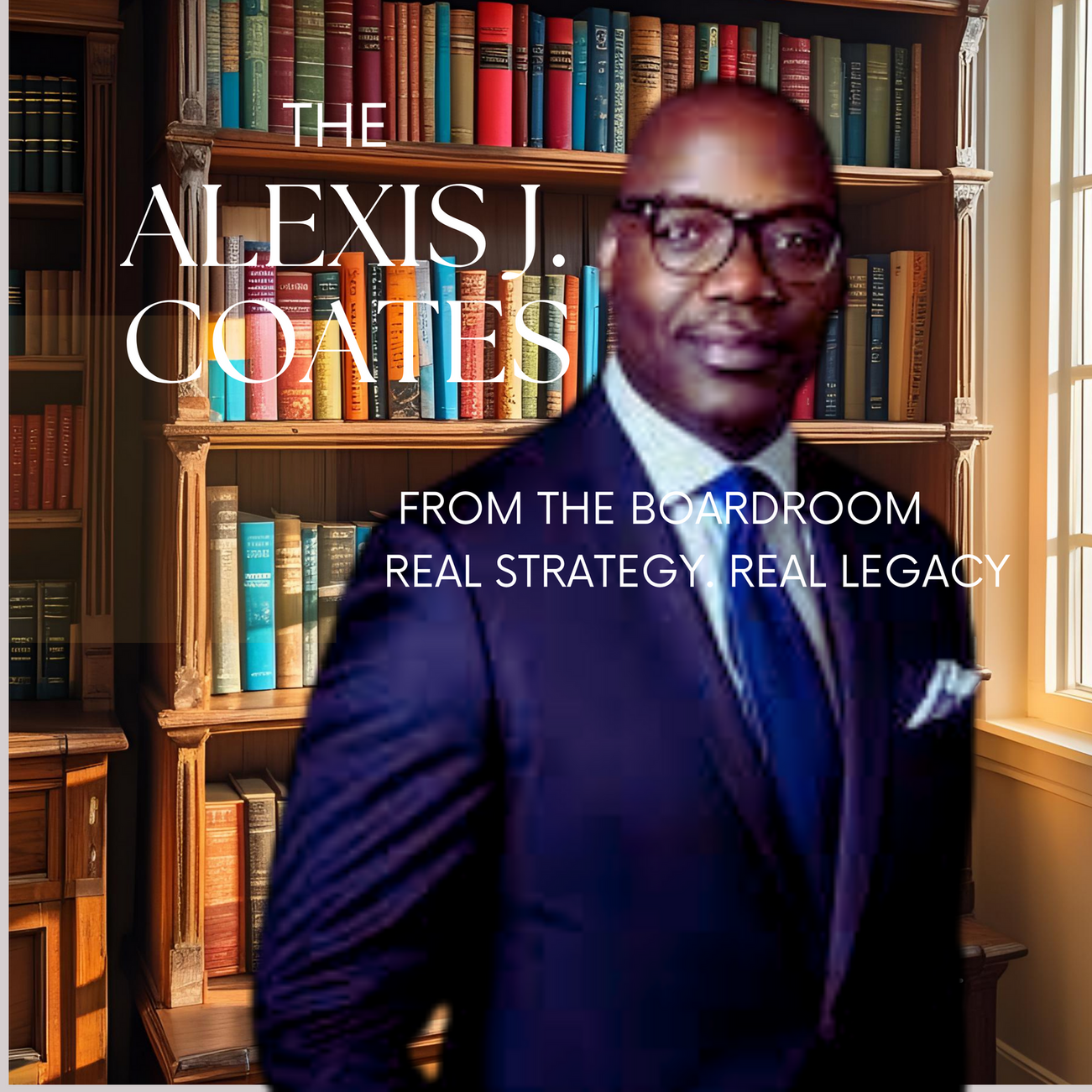
Brand new podcast: Alexis Coates: From The Boardroom


Baltimore, MD – June 2025

When it comes to business, some people talk, and some people execute. Alexis Coates is firmly in the second camp.

In his new book, 12 Great Business Principles, Coates breaks down the timeless, battle-tested rules that every entrepreneur needs to build and scale a real business — not social media smoke and mirrors, but the kind of businesses that pay dividends for decades and leave generational impact.

“Business isn’t complicated,” says Coates. “It’s discipline, decision-making, and delivering value consistently. This book simplifies what too many so-called experts try to overcomplicate.”

Drawing from years of hands-on experience — from founding multi-million dollar companies to closing real M&A deals — Coates distills core principles around:

  • Leadership & Discipline: How to lead from the front

  • Financial Mastery: Cash flow first, debt second, equity third

  • Execution: Why speed matters, but precision matters more

  • Legacy Building: The game is played for your children’s children

  • Deal Making: Negotiation tactics used in the real boardroom

And much more. This isn’t theory. It’s the hard-earned wisdom of a man who’s lived it.

But that’s not all.

Coates has also launched a brand new podcast: Alexis Coates: From The Boardroom — where he sits down with entrepreneurs, investors, dealmakers, and legacy builders to pull back the curtain on how real wealth is created. No fluff. No filters. Just strategy, experience, and high-level conversations.

Both the book and the podcast are designed to help serious entrepreneurs cut through the noise and build empires that stand the test of time.

Copies of 12 Great Business Principles are now available for purchase directly.
To order your copy, email: This email address is being protected from spambots. You need JavaScript enabled to view it.

Seats are filling for podcast guest spots, partnership inquiries, and collaborations. Stay connected with Alexis Coates as he builds one of the most talked-about business movements of 2025.

 

breakingnews

Author Cliffton Green Releases Bold New Memoir: Straight, No Chaser

Details
alex
World
18 September 2025

Cliffton Green Releases Bold New Memoir: Straight, No Chaser

Baltimore, MD – Life doesn’t come with a filter, and neither does Cliffton Green. With the release of his raw and unapologetic memoir, Straight, No Chaser: Life, Love, Lies, and Loss—Served Raw, Without Sugarcoating, Green invites readers into a journey that pulls no punches.

The book is not just a memoir—it’s a mirror. Green lays bare the highs, the heartbreaks, and the hard-won lessons of his life, weaving together stories that are as sobering as a glass of whiskey straight from the bottle.

“I wanted to write something real,” Green says. “Too often, stories get watered down to make people comfortable. But life isn’t comfortable. I owed it to myself, and to the people who will read this, to tell it exactly how it happened—straight, no chaser.”


A Story That Hits Hard

Through gripping personal stories, Green explores the themes of resilience, betrayal, redemption, and self-discovery. The book forces readers to confront uncomfortable truths—about relationships, about choices, and about the human condition itself.

“Straight, No Chaser” resonates with anyone who has tasted life’s bitterness but still chooses to stand tall.


About the Author

Cliffton Green is a Baltimore native, speaker, and now published author whose life story reflects resilience and unflinching honesty. Known for his direct, no-nonsense approach to life, Green’s storytelling is both personal and universal.


About the Book

Title: Straight, No Chaser: Life, Love, Lies, and Loss—Served Raw, Without Sugarcoating

  • Author: Cliffton Green

  • Publisher: Alexis Coates Publishers

  • Release Date: Fall 2025

  • Format: Paperback & eBook


Availability

Straight, No Chaser will be available online through Amazon, Barnes & Noble, and major retailers. Signed copies can also be requested directly through the publisher.


Media Contact

Alexis Coates Publishers
This email address is being protected from spambots. You need JavaScript enabled to view it.
(646) 982-4795

breakingnews

The Ghost in the Barrel: How Pierre Neptune Was Erased from the Legacy of Hennessy

Details
alex
World
30 July 2025

Pierre Neptune was born around 1730 in Saint-Domingue

Introduction: The Hidden Architect of Flavor

Walk into any upscale bar or VIP lounge, and you’re bound to see that iconic bottle: Hennessy. Rich, golden, and smooth with a legacy that stretches across centuries. From rap lyrics to royal palaces, Henny has become a global status symbol. But what most don’t know—and what Hennessy certainly won’t advertise—is that behind this billion-dollar brand is a Black man whose name has been buried in the sediment of time: Pierre Neptune.

This article is about betrayal. It’s about genius stolen, legacy erased, and the all-too-familiar story of a Black man’s brilliance being white-labeled and whitewashed for profit. This is the story of how Pierre Neptune got ripped off—straight up, no chaser.


Chapter 1: Who Was Pierre Neptune?

Pierre Neptune was born around 1730 in Saint-Domingue (modern-day Haiti), during the height of the French colonial empire. Historians believe he was of African descent, possibly enslaved, though there are whispers of a creole or free status due to his expertise in alchemy and distillation—skills learned either through ancestral tradition or colonial apprenticeship. Either way, he wasn’t an ordinary man. Neptune was a liquor savant.

In Saint-Domingue, sugar plantations were a brutal hell for the majority, but they also birthed the early iterations of rum and other spirits. Neptune, steeped in this world of molasses, fermentation, and fire, honed a deep understanding of how to manipulate time, yeast, wood, and temperature to produce liquid gold.

At some point, he was either sold or summoned to France. By the mid-1700s, Neptune found himself in the Cognac region, a world away from his Caribbean roots—but smack in the middle of a spirit revolution.


Chapter 2: The Rise of Hennessy (and the Quiet Theft)

Richard Hennessy, an Irish military officer, founded his eponymous Cognac house in 1765. He had the land, the connections, and the money—but he lacked one thing: the perfect recipe. What he needed was someone who could do more than just distill wine—he needed someone who could transform it.

Enter Neptune.

Oral histories passed down in Caribbean and Creole families, as well as French underground records, suggest that Neptune was hired—or coerced—by the Hennessy family as a master distiller. Not an assistant. Not a servant. The man behind the curtain.

It was Pierre Neptune, not Richard Hennessy, who created the precise ratios of eaux-de-vie blending, aging profiles, and wood-barrel techniques that would later define the “Hennessy taste.” That deep oak note? The smooth caramel finish? The vanilla undertone layered with spice? That was Neptune’s genius.

Yet his name never made it onto the bottle, the records, or the legend.


Chapter 3: The Recipe That Built a Fortune

Hennessy’s rise was meteoric. By the 1800s, it had become the number one Cognac house in France. By the late 1800s, it was exporting across Europe, Africa, and the Americas. And by the 20th century? Hennessy was hip-hop royalty and luxury royalty all in one.

But the engine behind this empire—the literal formula—was never credited to its inventor. There was no royalty paid. No estate. No mention. Pierre Neptune faded into vapor like the angel’s share from a barrel.

This wasn’t just a case of creative theft. It was economic assassination.

Today, Hennessy is part of LVMH (Moët Hennessy Louis Vuitton), a global luxury empire valued at over $500 billion. Hennessy alone accounts for nearly 60% of the world’s Cognac sales.

Let’s pause here: A multibillion-dollar legacy built on the back of a man whose descendants never saw a dime.


Chapter 4: Why This Matters

It would be one thing if Neptune were simply a historical footnote. But this is deeper than that. It’s about how Black genius is systemically used, erased, and monetized—then offered back to the community as a product to consume.

Think about it: Hennessy has long targeted Black consumers. From rap endorsements to NBA partnerships, the brand has embedded itself in Black culture. In 2020, Hennessy even pledged $10 million to support Black entrepreneurs—a gesture that raised eyebrows.

Ten million is noble. But when your entire flavor profile came from a Black man who died in obscurity, it feels more like hush money.


Chapter 5: The Oral Legacy Lives On

In recent years, there’s been a growing interest in uncovering hidden Black figures in global industries. From architecture to science to cuisine, Black hands have shaped every corner of modern civilization—and liquor is no different.

In 2021, a group of Afro-Caribbean historians launched a mini-documentary called “The Lost Alchemist”, dedicated to Neptune’s legacy. Meanwhile, TikTok creators and whiskey influencers have begun circulating posts detailing how Neptune’s innovations were the real roots of Hennessy’s flavor.

Neptune’s great-great-great-niece, Yveline Neptune, gave an interview in 2023 saying:

“We knew we had a genius in our bloodline. My grandmother used to say, ‘We gave the French their taste.’ Now I know what she meant.”


Chapter 6: What Should Hennessy Do Now?

Let’s not play cute here. If Hennessy really wants to honor Black legacy, they need to put a name on the bottle. Literally.

  • Release a limited “Pierre Neptune Edition” and direct profits to the Neptune family.

  • Establish a permanent Neptune Distilling School for Black and Indigenous spirits-makers.

  • Fund Black-owned Cognac brands with real equity, not just endorsement deals.

  • Publish the full historical acknowledgment in their brand story—not buried, but front and center.

Anything less is just PR spin.


Chapter 7: The Blueprint Going Forward

Neptune’s story is tragically common. We’ve seen this playbook before:

  • Elijah McCoy, inventor of the engine lubrication system, had his name turned into a catchphrase ("the real McCoy")—yet he died with little.

  • Annie Turnbo Malone created the original Black haircare empire, only to be eclipsed by her protegee, Madam C.J. Walker.

  • Granville Woods, the real "Black Edison," lost multiple patents to larger white corporations.

So, how do we rewrite this?

  1. Reclaim the narrative. Tell our stories loudly, consistently, and across every medium.

  2. Build equity in our own brands. Ownership > endorsement. Legacy > likes.

  3. Hold corporations accountable. It’s not just about money—it’s about memory.


Conclusion: Give the Man His Flowers

Pierre Neptune may never have imagined a world where his recipe would become a global status symbol. He probably died with the scent of aging barrels in his nose, unaware of the empires being built on his genius.

But we know now.

And now that we know, silence is complicity.

So the next time you raise a glass of Hennessy, pause. Say his name. Pierre Neptune. The ghost in the barrel. The man who flavored the world—and got written out of history.

It’s time to write him back in.

breakingnews

Impact of Trump's Tariffs and Trade Wars on Global Shipping and Supply Chains

Details
alex
World
15 April 2025

Trump’s policies had a mixed effect on international shipping

(BBR)  Donald Trump's policies had a range of effects on the international shipping business, with some direct and indirect implications for global trade, maritime operations, and logistics. His "America First" approach was central to his administration’s strategies, and several key areas of focus had a notable impact:

1. Tariffs and Trade Wars

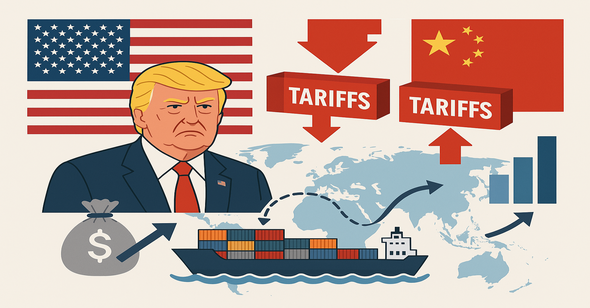
One of the most significant aspects of Trump's policies was the trade war, particularly with China. The administration imposed tariffs on billions of dollars' worth of Chinese goods, and China responded with tariffs on American products. This had several effects on international shipping:

  • Disrupted Shipping Routes: Tariffs led to shifts in trade routes and a reconfiguration of global supply chains, as companies sought to avoid high tariffs by sourcing goods from other countries.

  • Increased Costs: The tariffs on Chinese imports, for example, increased the cost of shipping goods to the U.S. This also affected the shipping industry as costs of materials, shipping rates, and supply chains were impacted.

  • Trade Volume Fluctuations: The trade tensions resulted in fluctuating shipping volumes, as demand for some goods dropped while others (like electronics or industrial goods) saw increased shipping requirements due to the tariff changes.

2. Deregulation of Shipping and Maritime Laws

Trump's administration favored deregulation across many sectors, including shipping. This had the following impacts:

  • Reduction in Environmental Regulations: The Trump administration rolled back some of the Obama-era environmental regulations, including those that required stricter emissions standards for ships. This led to fewer restrictions on the shipping industry's environmental footprint, although it raised concerns from environmental groups.

  • Streamlining Regulations: The administration pushed for reducing regulations in the maritime industry, aiming to make it easier for U.S. shipping companies to operate both domestically and internationally.

3. Tax Cuts and Economic Policies

The 2017 Tax Cuts and Jobs Act, which slashed corporate tax rates, had significant indirect effects on shipping:

  • Increased Investment in Shipping: Lower corporate tax rates meant companies, including those in the shipping and logistics sectors, had more capital to invest in fleet expansion, technology, and other maritime-related infrastructure.

  • Incentives for U.S. Shipping Companies: The tax cuts allowed U.S. shipping companies to be more competitive in the global market. However, it also meant that foreign competitors could adjust their pricing strategies, potentially affecting U.S. companies' market share.

4. Immigration Policies and Labor Force

Trump's strict immigration policies, including reducing the number of foreign workers, had implications for the shipping industry:

  • Labor Shortages: The shipping industry, which relies on a global workforce, faced challenges in terms of availability and cost of labor. Restrictions on foreign workers, especially in logistics and port operations, created some strain on labor supply, affecting the movement of goods.

  • Manpower Costs: Some shipping companies faced higher labor costs in the U.S. due to the reduced influx of immigrant workers. This increased the overall cost of doing business, particularly for port operations and shipping services.

5. Impact on Global Alliances and Trade Agreements

Trump’s policies aimed at renegotiating major trade agreements, like NAFTA (replaced by the USMCA), and withdrawing from others, such as the Trans-Pacific Partnership (TPP), which had mixed results on the shipping industry:

  • Reshaped Trade Routes: The renegotiation of trade agreements altered international shipping patterns and market opportunities. For instance, the USMCA focused on North American trade, potentially boosting cross-border shipping.

  • Disruption in Global Shipping Partnerships: The U.S. pulling out of agreements like TPP led to the shifting of trade alliances and affected long-term shipping contracts, particularly in Asia and the Pacific.

6. Impact on Global Shipping Regulations and Relations

  • China-U.S. Trade: The ongoing tensions with China affected the shipping of goods between the U.S. and China, disrupting the flow of goods and influencing the shipping costs on the Asia-U.S. trade route. The tariffs also forced companies to explore alternative shipping strategies, shifting trade flows to different regions or finding ways to circumvent tariffs.

  • International Trade Balance: Trump’s push for reducing the U.S. trade deficit led to a reevaluation of trade policies, and this created uncertainty for global shipping companies that rely on stable trade relations.

7. Environmental Considerations

Trump’s stance on environmental policies included withdrawing from the Paris Climate Agreement and rolling back certain environmental protections:

  • Shipping Emissions: The decision to withdraw from global climate agreements allowed U.S. shipping companies to avoid stricter emissions regulations that could have impacted the industry, although this came at the cost of international reputation and cooperation on global climate efforts.

8. COVID-19 and Shipping Under Trump

The pandemic occurred during Trump's last year in office, and it had an overwhelming impact on global shipping:

  • Disruption of Global Supply Chains: Trump's handling of the pandemic, particularly his stance on lockdowns and economic recovery, had an indirect effect on global shipping as supply chains faced bottlenecks and disruptions, especially in China, which is a major hub for global manufacturing.

  • Shipping Demand Fluctuations: The pandemic also led to shifts in shipping demand, with a notable increase in container shipping for consumer goods, while oil tankers saw lower demand due to reduced travel and economic activity.

Summary

Trump’s policies had a mixed effect on international shipping. On one hand, tariffs and trade wars disrupted global supply chains and trade volumes, leading to shifts in shipping patterns. On the other hand, deregulation and tax cuts presented opportunities for U.S. shipping companies to grow and expand, albeit in a more competitive global market. The COVID-19 pandemic further complicated matters, although Trump’s approach to international relations and trade agreements shaped the landscape in the years prior. Ultimately, the shipping industry had to adapt to evolving regulations, trade dynamics, and economic policies, all under the banner of "America First."

breakingnews

More Articles ...

  1. Laundrifi Launches in Baltimore, MD, Offering Modern Laundry Solutions
  2. Title: Navigating the AI Revolution: Opportunities and Challenges for African American Businesses
  3. How Adebayo Ogunlesi became the richest African Immigrant in America
Page 1 of 34
  • Start
  • Prev
  • 1
  • 2
  • 3
  • 4
  • 5
  • 6
  • 7
  • 8
  • 9
  • 10
  • Next
  • End
Black Business Review Black Business Review
Sign up via our free email subscription service to receive notifications when new information is available.

Joomla Users

  • Login
  • Registration
  • User Profile

Explore

  • Partners

Systems

  • Tags
  • Search

Help

  • All Contacts

Articles

  • Single Article
  • Featured Articles
  • Showcase
  • New Feeds

Resources

  • Submit Press Release

Social

  • Facebook
  • Twitter
  • Youtube
  • Instagram
BBR Golf Tournament
Copyright © 2026 Joomla!. All Rights Reserved. Powered by Black Business Review - Designed by JoomlArt.com. Bootstrap is a front-end framework of Twitter, Inc. Code licensed under Apache License v2.0. Font Awesome font licensed under SIL OFL 1.1.